Articles

Front Door Painting: The Complete Australian Guide (and Why Wattyl Wins)

23/09/2025
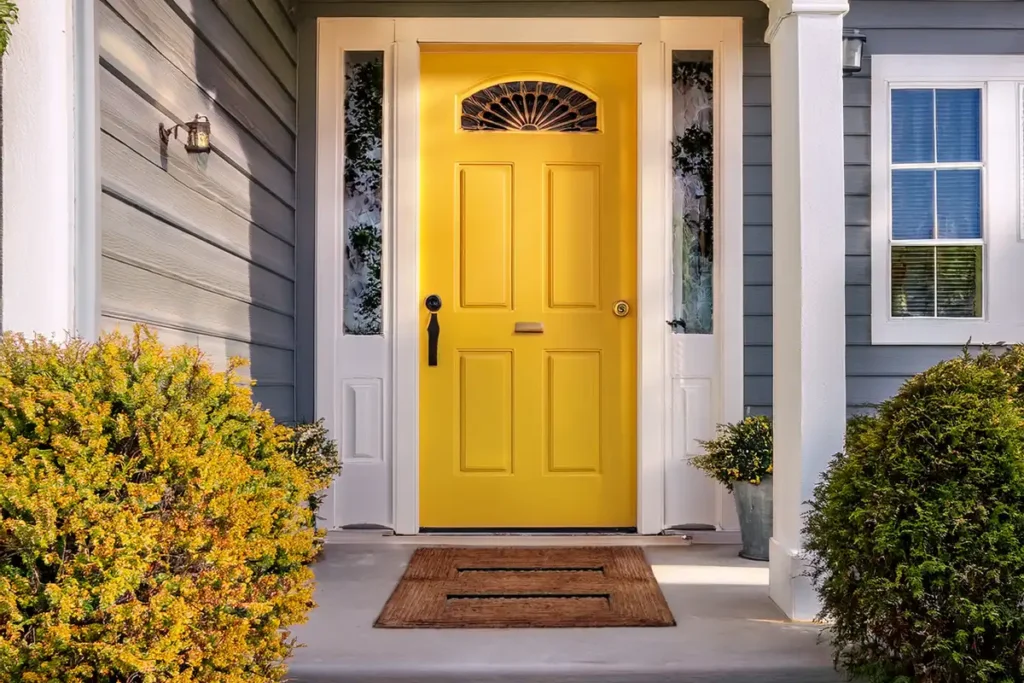
Your front door is the handshake of your home. A crisp, durable finish not only boosts kerb appeal, it protects one of the most-touched, weather-exposed surfaces on your façade.

This guide walks you through Front Door Painting from planning and prep to colour, sheen, primers, application and aftercare, using Wattyl systems built for Australian conditions.

Why paint your front door (and when to do it)

  • Beautiful + protective: Fresh paint refreshes first impressions and helps shield timber or metal from UV, moisture and daily wear.
  • Timing matters: Work within the temperature and humidity window on the product’s Technical Data Sheet (TDS) and avoid dew, rain and extreme heat near drying times. Wattyl’s Aqua Trim Gloss TDS specifies recoat ~2 hours at 25 °C/50% RH, full cure ~7 days, and do not apply below 10 °C, above 35 °C or when humidity is very high.
  • Seasonal tip: Spring in Australia offers mild temps and longer daylight, which helps with even drying and tidy edges. Pair weather windows with the TDS guidance above.

The best paint for doors (gloss vs satin)

For doors and trims, choose a durable water-based enamel: fast-drying, low odour and non-yellowing, perfect for light colours that cop Aussie sun.

  • Wattyl Aqua Trim Gloss — interior/exterior water-based enamel; non-yellowing, fast-drying, low odour; made for doors & trims. If you prefer a softer look, use the Aqua Trim system in satin/semigloss equivalents.
    Sheen choice: Gloss delivers maximum depth and wipeability; satin/semi-gloss softens reflections and is forgiving on timber profiles.

Pro note: Very dark colours can absorb heat. If you have a steel/composite door, confirm any Light Reflectance Value (LRV) limits with the manufacturer before choosing ultra-dark shades.

Choosing a colour that works with your façade

Start with your roof, cladding and surrounding materials (brick, render, timber). Shortlist tones that complement those fixed elements, then test:
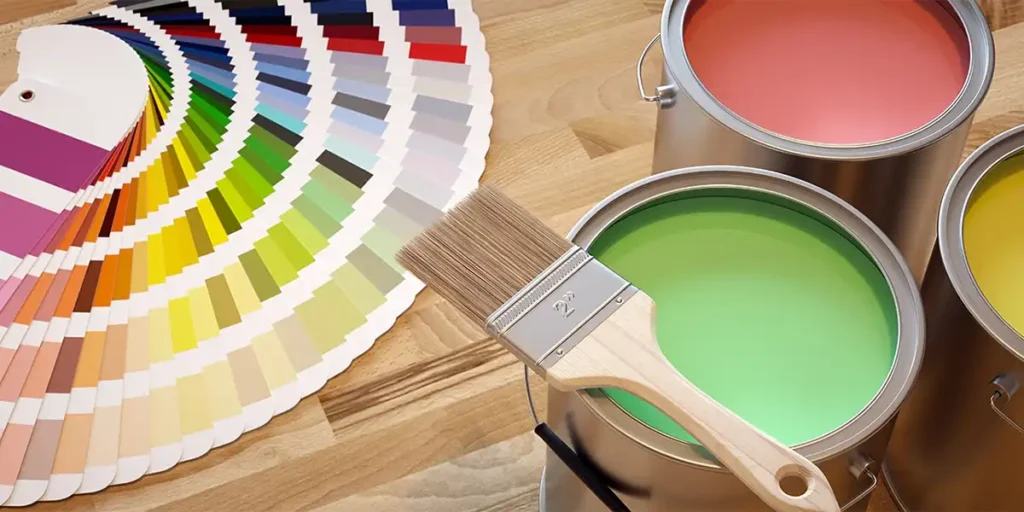
  • Swatch smart: Order colour chips/sample pots and view them in morning, midday and late-arvo light at the entry. Wattyl’s online Colour Chart is a handy starting point.
  • Classic winners: Deep navy, eucalyptus green, charcoal, muted clay/terracotta, or a bright statement red.
  • Cohesion trick: If your façade is neutral, echo a roof or gutter accent on the door for a pulled-together scheme.

Primer matters: match to the substrate

A flawless, long-lasting door finish starts with the right primer:

Safety first: older coatings may contain lead

Homes built before the 1970s can have legacy lead-based paint on doors and trims.

Test before dry-sanding, use appropriate PPE and containment, or engage a licensed professional.

See the Australian Government’s Lead Alert guide and state regulators for safe practices – WorkSafe Victoria and WorkSafe Queensland

Front Door Painting: step-by-step

The process below aligns with Wattyl’s “How to Paint a Front Door” guidance and Aqua Trim TDS.

1) Prep like a pro

  • Check the forecast: Choose a fine spell inside the TDS window; avoid dew/rain near drying times.
  • Remove or mask hardware: Handles, knockers and numbers off if possible; mask what remains.
  • Clean thoroughly: Sugar-soap or suitable cleaner to remove hand oils and grime; rinse and dry.
  • De-gloss & sand: Lightly sand existing coatings to key the surface; fill defects; sand smooth; remove dust.
  • Lead check: For older homes, test and follow the regulator guidance.

2) Prime for your substrate

3) Apply your topcoat (Aqua Trim system)

  1. Stir thoroughly with a broad paddle (lift solids from the base).
  2. Cut in mouldings/panels with a quality synthetic brush; roll flat sections with a short-nap (6–9 mm) mini-roller for even film build.
  3. Thin, even coats: Avoid heavy application; maintain a wet edge; lightly sand between coats for a glassy finish.
  4. Recoat & cure: Typical recoat ~2 hours @ 25 °C/50% RH; allow ~7 days for full cure before aggressive cleaning. Cooler or more humid conditions slow drying.
Tip: Start mid-morning after dew has burned off; finish before late-arvo cool changes. If possible, paint with the door ajar so edges don’t stick during drying.

Colour & sheen playbook for doors

  • High-impact classics: Deep navy, eucalyptus green, merlot or mid-red read beautifully on heritage or contemporary façades.
  • Modern naturals: Charcoal and muted clay pair well with warm greys and off-whites. White on white? Use a non-yellowing water-based enamel (Aqua Trim).
  • Sheen: Gloss gives depth and is very wipeable; satin/semi-gloss softens look and hides minor surface variation.
  • Swatch before you commit: Use Wattyl’s Colour Chart and view samples at different times of day at the entry.

Tools & materials checklist

  • Sugar soap + bucket + microfibre cloths
  • Painter’s tape & drop sheets
    180–240 grit abrasives, sanding block, tack cloth
  • Substrate-appropriate primer (see list above)
  • Wattyl Aqua Trim topcoat
  • Quality synthetic brush (50–63 mm), short-nap mini-roller, tray
  • Screwdriver set (hardware off/on), door stops or trestles

Common mistakes (and how to fix them)

  • Brush/roller marks: Work smaller sections, keep a wet edge, and lay off gently; sand lightly between coats.
  • Tannin bleed on timber: Add a further coat of Aqua Prep Acrylic Timber Primer (or use an oil-based timber primer where recommended) before topcoating.
  • Edge sticking: Respect recoat/dry times; avoid closing the door too soon; schedule around dew.
  • Blistering on hot doors: Don’t paint in direct midday sun or outside the temperature window; keep film thickness even.

Product quick-links (Wattyl)

Frequently Asked Questions (FAQ)

Q1: What’s the best paint for a front door in Australia?

A premium water-based enamel designed for doors and trims—e.g., Wattyl Aqua Trim Gloss for exterior durability, low odour and non-yellowing performance.

Q2: Do I need to prime a previously painted door?

If the existing coating is sound, water-based, clean, de-gloss and spot-prime repairs with Aqua Prep PSU. If it’s a sound oil-based enamel, apply Aqua Prep PSU before top-coating.

Q3: How long between coats?

Typical recoat ~2 hours at 25 °C/50% RH for Aqua Trim Gloss; allow longer if it’s cooler or more humid. Full cure ~7 days.

Q4: What primer for bare timber or metal doors?

Timber → Aqua Prep Acrylic Timber Primer (or appropriate oil-based timber primer for high-tannin species)

Ferrous metal → Killrust Heavy Duty Primer

Galvanised/non-ferrous → Aqua Prep Galvanised Iron Primer.

Q5: Can I paint in the middle of a hot day?

Avoid painting outside the TDS window—not below 10 °C, not above 35 °C, and not in very high humidity. Paint in milder parts of the day and avoid direct midday sun.

Q6: How do I know if old paint contains lead?

Homes built before the 1970s may contain lead-based paint. Test before sanding and follow government guidance (Lead Alert). If in doubt, use a professional.

Q7: What’s the quickest way to a showroom-worthy finish?

Pick a balanced colour via the Wattyl Colour Chart, prime correctly, and apply two thin coats of Aqua Trim, following recoat/temperature guidance.

Articles you may also like

News 05/12/2025
Disposal & Wash-Up: What to Do with Leftover Paint in Australia

Leftover paint is a fact of life. The good news: ...

right arrow
News 25/11/2025
Deck Season: Oil vs Acrylic vs Water-Based — What Actually Lasts?

Australia’s decks cop it all: roasting UV, summer storms, ...

right arrow
News 25/11/2025
Concrete & Garage Floors: Hot-Tyre Pickup, Moisture & Slip Resistance

A garage floor looks simple until hot tyres hit a ...

right arrow

We are here for you, ask us anything

Leave your enquiry and details below, and we’ll get back to you as soon as possible.